
 Written by
 Downtown Knoxville is about to enter a new era of hospitality and entertainment. Our firm works with many hospitality businesses in the City of Knoxville and surrounding areas. We had the opportunity to work close with the City in developing this exciting new program and this article is intended to provide an introduction to the DORA concept and details.
The City of Knoxville is preparing to launch the first “Designated Outdoor Refreshment Area” (DORA) in Market Square this summer, with another DORA planned around the new multiuse stadium (Covenant Health Park) at 500 E. Jackson Avenue, near the Old City, pending City Council approval. The City’s official release and statement from Mayor Kincannon can be found here.
For bars, restaurants, breweries, and entertainment venues, this is more than just a policy change. It is a major opportunity to increase foot traffic, boost beverage sales, strengthen downtown activation, and create a more vibrant customer experience.
What Is a DORA?
A DORA allows customers age 21 and older to purchase alcoholic beverages from approved establishments and legally carry those drinks within designated public boundaries (like Market Square or the public plaza areas surrounding Covenant Health Park).
Under Knoxville’s proposed framework:
- Participating businesses can sell beverages for outdoor consumption within the DORA zone
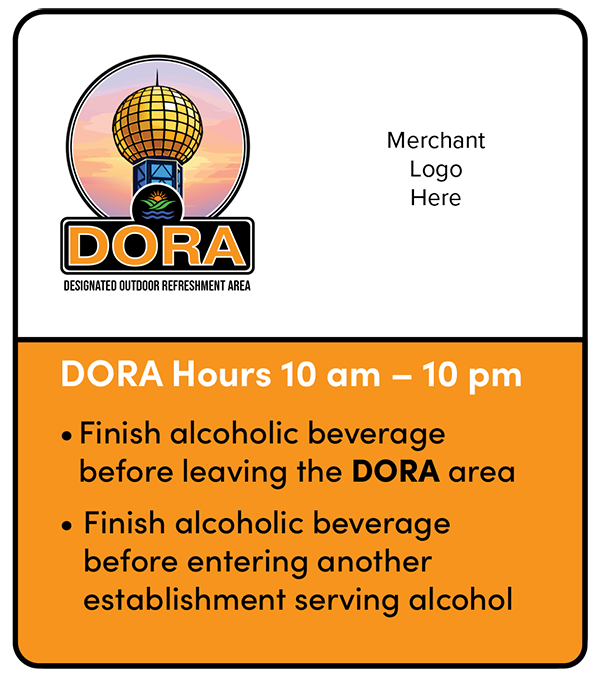
- Drinks must be served in approved containers with official DORA stickers
- Customers cannot carry drinks into another business
- Drinks must be discarded before leaving the designated area
- Operating hours are expected to run from 10 a.m. to 10 p.m. daily in Market Square, with last call at 9:30 p.m.
The initial DORA area will center around Market Square, one of downtown Knoxville’s busiest hospitality corridors.
Why This Matters for Hospitality Operators
For years, cities across the country have used DORA programs to encourage pedestrian activity and create entertainment districts that keep visitors downtown longer. Nashville has several areas, such as the Nashville Yards, which utilize the same concept without the designation of a DORA, which is unique to Knoxville.
Knoxville officials have openly stated they are modeling the program after successful entertainment districts in other cities.
For operators, the potential benefits are significant.
1. Increased Engagement in the Area
Outdoor beverage mobility changes customer behavior.
Instead of choosing one location and staying put, guests are more likely to:
- Explore nearby retail and entertainment venues
- Extend the duration of their downtown visit
- Return more frequently for social experiences
That creates incremental revenue opportunities, especially during:
- Festivals
- Concerts
- Sporting events
- Farmers markets
- First Friday events
- Weekend tourism periods
2. Stronger Downtown Foot Traffic
Downtown Knoxville is already experiencing substantial growth and investment.
The DORA program is designed to capitalize on that momentum by encouraging more walkability and street-level activity. Restaurants and bars located near pedestrian corridors stand to benefit from increased visibility and spontaneous customer visits.
This is especially important as Knoxville continues investing in downtown revitalization, mixed-use development, and entertainment infrastructure.
3. Competitive Advantage for Participating Businesses
Not every establishment inside a DORA automatically participates.
Businesses must apply and comply with program rules.
Operators who participate early could gain:
- Higher visibility
- Increased beverage volume
- Better event traffic capture
- Enhanced brand recognition with tourists and downtown visitors
For hospitality groups, this may become an important part of customer acquisition strategy.
Operational Considerations for Restaurants and Bars
While the upside is meaningful, operators should prepare operationally.
Key considerations include:
Staff Training
Employees will need clear guidance on:
- Approved containers
- ID verification procedures
- DORA boundaries
- Sticker requirements
- Cutoff procedures
- Managing intoxicated patrons
Inventory and Packaging
Operators may need:
- Additional disposable cup inventory
- Custom DORA labeling systems
- Revised POS procedures
- Outdoor service workflow adjustments
Security and Compliance
The success of the program depends heavily on responsible participation.
Knoxville officials have emphasized that beverages cannot move freely into other establishments and must remain within designated boundaries.
Businesses that maintain strong compliance practices will help protect the long-term viability of the program.
Community Reaction Is Mixed — But Engagement Is High
As expected, public reaction has been divided.
Many residents see the DORA as a positive step toward a more walkable and entertainment-focused downtown. Others have raised concerns about parking, crowd management, and public intoxication.
What matters for operators is this: people are paying attention.
The launch of Knoxville’s DORA program is generating conversation, curiosity, and anticipation — exactly the kind of momentum that can drive customer traffic when the program officially begins.
The Bigger Picture for Downtown Knoxville
The DORA initiative reflects a broader trend in Knoxville’s evolution.
The city continues to invest in downtown activation, mixed-use growth, tourism, entertainment infrastructure, and pedestrian-oriented experiences.
For bars and restaurants, the takeaway is clear:
Downtown Knoxville is becoming more experience-driven, more walkable, and more hospitality-centered.
Businesses that adapt early and position themselves as active participants in that evolution are likely to benefit the most.
Final Thoughts
Knoxville’s DORA program is not simply about allowing drinks outdoors.
It is about creating a more connected downtown experience where dining, entertainment, retail, and public space work together to increase activity and economic growth.
For bars and restaurants, this creates an opportunity to:
- Capture more foot traffic
- Increase beverage revenue
- Build stronger customer experiences
- Participate in shaping the future of downtown Knoxville
The businesses that prepare now will be best positioned when the program launches this summer. Questions? Allow the team at Harrington Beverage Law to Be Your Guide.
Last modified: May 18, 2026